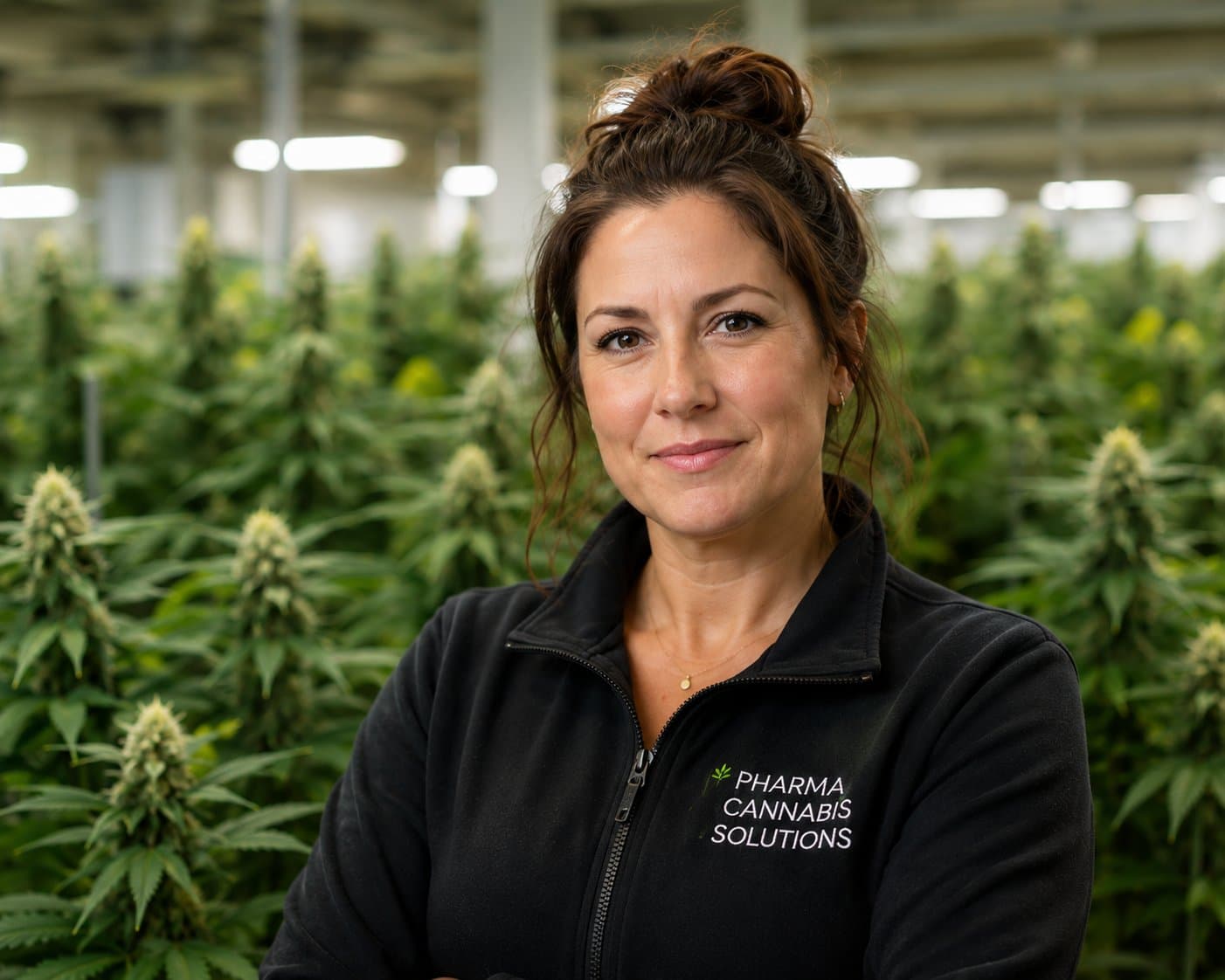

Australia imported 81,119 kilograms of medicinal cannabis in 2025, up from 7,306 kilograms in 2021, according to Office of Drug Control figures released on 19 August 2026. Canadian product accounted for 49,107 kilograms of that total, while Portuguese-origin supply jumped from 1,093 kilograms to 20,658. Import markets no longer take whatever Canada ships. They choose.
Export-grade cannabis flower is dried flower that clears a buyer's written specification on four fronts: physical quality, measured chemistry, microbiological safety, and documentation that matches the destination regulator's testing panel. No universal grade exists in international cannabis trade. The specification sheet attached to your supply agreement is the grade, and every market enforces it differently.
What follows is the inspection sequence a serious importer actually runs, in the order they run it.
Why export-grade is a specification, not a grade
Domestic retail shorthand for flower quality does not travel. A German pharmacy distributor or an Australian sponsor buys against a written spec that typically covers:
- Bud size distribution, with a stated share above the size cut
- A cannabinoid potency band tied to the label claim
- A total terpene minimum
- A moisture or water activity window
- Microbial and contaminant limits for the destination market
- Foreign matter tolerances
If the lot meets the sheet, it's export-grade. If it doesn't, the origin country's opinion of it is irrelevant.
Missing that sheet is expensive in a way many Licensed Producers underestimate. Organigram's August 2026 quarterly filing reported that international sales slowed through the quarter ended 31 December 2025 after flower failed to meet international specification requirements. Remediation was still working through the system a quarter later. One spec miss, two quarters of drag. That's the real unit of damage.
The bar keeps moving upward, too. German authorities have started challenging how imported flower earns its EU-GMP release status, a shift we broke down in our guide to Germany's GMP washing crackdown. Buyers who once accepted broad certificates now ask what the flower itself measured, batch by batch. Treat the spec sheet as the product. The flower is just the evidence.
The physical inspection: what buyers examine first
Before any purchase order, an importer requests batch photos, then a sample. Physical review comes before chemistry because it's faster, and it kills weak offers early. Here's what they examine, and what fails:
| Inspection point | What passes | What fails |
|---|---|---|
| Bud size | Consistent distribution, stated share above the size cut | Lots padded with smalls below the agreed cut |
| Trim quality | Clean trim with intact calyxes | Shaved, over-trimmed surfaces |
| Trichome integrity | Intact heads under magnification | Knocked-off heads from rough handling |
| Colour and cure | Even colour, proper cure | Brown patches or grassy green from a rushed cure |
| Foreign matter | None visible | Stems, seeds, or debris in the sample |
| Aroma | Pronounced varietal nose | Hay smell from poor drying |
Two of those rows trace straight back to post-harvest handling. A hay aroma or a grassy colour means the drying room failed months before the buyer opened the bag. That's why we treat drying and curing standards as export decisions, not cultivation afterthoughts.
On trim, we'll state a plain view: machine-trimmed flower doesn't belong in the premium import tier. Buyers spot shaved calyxes in the first photo set, and the discount conversation starts before the sample even ships. Hand-trimming survives a loupe. That's the whole argument for it.
The measured spec: moisture, potency and terpene numbers
Once the flower passes the eye test, the numbers take over. Four measurements decide most acceptances.
Water activity and moisture
Most B2B specifications now set water activity between 0.55 and 0.65, the range that keeps flower below microbial growth thresholds without over-drying it. Moisture windows vary by buyer and format. Both drift in transit, which is why the reading at destination matters more than the reading at packout. Our guide to water activity as an export quality standard covers how to hold the window through shipping.
Potency against label claim
Importers test declared cannabinoid content against their own tolerance, and pharmacy markets dispense against the declared figure. A lot that reads meaningfully below its claim at destination is a commercial failure even where it remains legally saleable. Quote the batch's tested value, not the cultivar's best historical run.
Terpene minimums
Premium buyers increasingly write a total terpene floor into the spec, because terpenes are volatile and the loss between packout and pharmacy shelf is real. Cold storage, gentle handling, and minimal repacking protect the number you sold on.
Microbial and contaminant panels
German buyers reference European Pharmacopoeia microbial categories, while Australian shipments must meet TGO 93, the Therapeutic Goods Administration's quality standard for medicinal cannabis. The panels differ, the sampling rules differ, and the remediation options differ. Build the destination's panel into your release testing from day one. Passing Canadian release testing proves nothing about a Polish or Australian monograph.
Pre-shipment QC that survives destination testing
Here's where consignments actually die. Most rejected lots don't fail on THC. They fail when the destination lab's microbial retest disagrees with the origin certificate. Or they fail when moisture drifts in transit and the buyer receives a lighter, drier lot than the one invoiced. The fix is a quality control routine built around the second test, not the first.
- Lock the spec in the supply agreement, with named test methods and sampling plans, not just numeric limits. A limit without a method is an argument waiting to happen.
- Test close to shipment at an ISO/IEC 17025 accredited lab, so the certificate reflects the flower that ships rather than the flower you harvested.
- Hold retention samples from the shipped batch, stored under the same conditions you promised the buyer.
- Photograph the actual lot with batch numbers visible, and tie every image to the records covered in our batch traceability guide.
- Pack to protect trichomes and hold the moisture window: humidity control inside the barrier bag, cushioning outside it.
- Pre-agree the arbitration lab. When origin and destination results disagree, you want the referee named in the contract, not chosen mid-dispute.
Run that routine on every consignment and a destination retest becomes a formality instead of a coin flip. Skip it and you're gambling a quarter's international revenue on a courier's cargo hold.
AlphaLeaf is a Montreal-based Health Canada Licensed Producer of indoor-grown, hand-trimmed cannabis flower, with export authorisation under the Cannabis Act. Every batch we release carries ISO-certified test data, full traceability records, and the trim and cure quality that clears physical inspection in the German, Australian and Israeli medical channels. You can see how each lot is cultivated and released on our process page, or contact our team to request a specification sheet and catalogue.
The spec is the sale. Meet it twice: once at origin, once at destination.
Frequently Asked Questions
What does export-grade cannabis flower mean?
Export-grade cannabis flower is dried flower that meets the buyer's written specification for physical quality, cannabinoid and terpene content, moisture or water activity, and microbial and contaminant limits. Its documentation must also align with the destination regulator's testing panel. There is no universal international grade. The specification in the supply agreement defines the standard for each transaction.
Is there an official international grading system for cannabis flower?
No. Retail-style letter grades used in domestic markets have no legal or commercial standing internationally. B2B cannabis trades on specification sheets. Each import market then layers its own regulatory quality standard on top, such as TGO 93 in Australia or the European Pharmacopoeia microbial categories referenced by German buyers.
What water activity range do international cannabis buyers specify?
Most B2B specifications set water activity between 0.55 and 0.65. This range keeps flower below common microbial growth thresholds while avoiding over-drying that damages terpenes and bud structure. Buyers often verify water activity on arrival, so exporters need packaging that holds the window through transit.
Why does cannabis flower pass testing in Canada but fail at the destination?
The two most common causes are testing panel mismatch and transit drift. Destination labs test against their own pharmacopoeial methods and sampling rules, which differ from Canadian release testing, and moisture, water activity and terpene levels can shift during shipping. Testing close to the ship date against the destination panel closes most of the gap.
Do international buyers require hand-trimmed cannabis flower?
Hand-trimming is rarely written into regulation, but premium-tier buyers screen for it in practice. Physical inspection under magnification reveals shaved calyxes and damaged trichomes on machine-trimmed lots, which typically moves the product into a lower price tier or out of consideration for pharmacy-facing brands.
How do buyers verify a potency claim before placing an order?
Buyers request the batch certificate of analysis from an ISO/IEC 17025 accredited laboratory, then confirm it with their own sample testing or a destination retest on arrival. Lots that read meaningfully below the declared cannabinoid content face rejection or renegotiation, so exporters should quote the tested value of the specific batch being sold.